AFRICANA A Credible Afrocentric Resource
Africana refers to the collective body of knowledge, culture, history, art, literature, philosophy, and intellectual thought produced by and about people of African descent on the continent and throughout the diaspora.
KNOWLEDGE DROP | NEW David Blackwell — The Black mathematician behind NVIDIA's most powerful AI chip

Africa, the Origin of Everything.

David Blackwell
Spotlight (NVIDIA)

David Blackwell — The Mind Behind the Machine

NVIDIA named its most powerful AI chip after a Black mathematician. His work in probability, game theory, and statistics built the foundation of modern artificial intelligence. Read the full story.

Mansa Musa
History
Michael B. Jordan
as Mansa Musa  ·  🏆 Oscar Winner

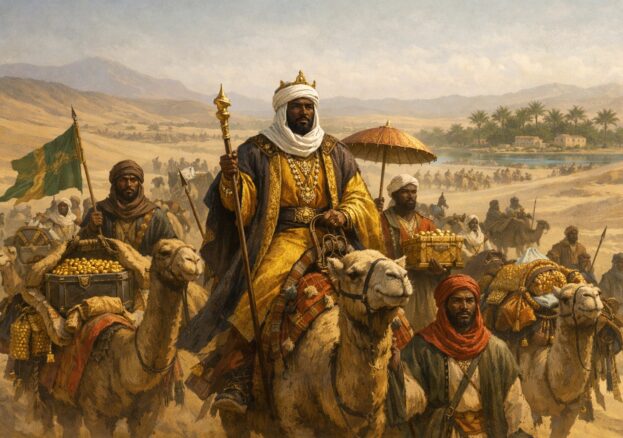
Mansa Musa — The Wealthiest Human in History

Emperor of the Mali Empire, 14th century. His 1324 pilgrimage to Mecca — with 60,000 men and tons of gold — crashed the Mediterranean gold market for a decade. Estimated wealth: $400 billion today.

Salvador Bahia — Olodum
Diaspora · Brazil

Afro-Brazilian Masterworks Return Home to Salvador

Held for 30 years in Detroit. In January 2026, hundreds of works by 135 Afro-Brazilian artists returned to the National Museum of Afro-Brazilian Culture in Salvador, Bahia — the Blackest city outside of Africa. The largest art repatriation in Brazilian history. A symbolic reparation for a people who never stopped creating.

Human civilization began in Africa. Every human alive today — regardless of where they live — descends from African ancestors walking the Rift Valley 300,000 years ago. This is not metaphor. This is biology, archaeology, and the unquestionable record of humanity's story. What follows is a chronicle of the kingdoms, innovations, and legacies that the world was built upon.

One Continuous Timeline

From the birth of Earth to the rise of civilizations — humanity's story begins in Africa

Phase I — The Scale of Existence

If Earth's 4.5 billion year history were compressed into a single bar, here is where humanity appears:

3.8B — First Life
541M — Cambrian
252M — Mesozoic
K-Pg 66M ←
4.5B — Earth Forms
Humanity ➜
● First Life ● Cambrian Explosion ● Mesozoic Era begins ● K-Pg Extinction ● Humanity
⌕ Expanding the Bar Above

The bar compresses 4.5 billion years into one line. That gold Humanity marker at the far right? Just 0.007% of Earth's total age — 300,000 years of human history. Below, the full story unfolds from the very beginning.

Phase II — From Earth's Formation to Civilization
4.5 Billion Years Ago Earth forms — molten rock, no atmosphere, constant meteorite bombardment
3.8 Billion Years Ago First Life — single-celled microbes (Archean Eon); Earth's oceans form
2.5 Billion Years Ago Great Oxidation Event — cyanobacteria flood the atmosphere with oxygen; most anaerobic life goes extinct
541 Million Years Ago Cambrian Explosion — sudden diversification of complex animal life; eyes, skeletons, and predators appear for the first time
443 Million Years Ago Ordovician-Silurian Extinction — first mass extinction; ~85% of marine species lost due to glaciation
419 Million Years Ago Devonian Period — Age of Fish; first forests, first amphibians crawl onto land
359 Million Years Ago Late Devonian Extinction — ~75% of species lost; reef ecosystems collapse
299 Million Years Ago Permian Period — first reptiles dominate; vast coal forests; Pangaea supercontinent assembles
252 Million Years Ago "The Great Dying" — Permian-Triassic Extinction; 96% of all species wiped out — largest mass extinction in Earth's history
230 Million Years Ago Triassic Period — first dinosaurs appear; Pangaea begins to split; first mammals emerge
201 Million Years Ago Jurassic Period — dinosaurs dominate the planet; first birds evolve; Atlantic Ocean begins to open
145 Million Years Ago Cretaceous Period — T-Rex, Triceratops; flowering plants appear; modern continents take shape
66 Million Years Ago K-Pg Mass Extinction — asteroid impact ends the age of dinosaurs; ~75% of species lost; mammals rise to dominance
56 Million Years Ago Eocene Epoch — early primates diversify; warm global climate; ancestors of modern mammals proliferate
23 Million Years Ago Miocene Epoch — great apes emerge and diversify in Africa; grasslands spread
6 Million Years Ago First Hominids — split from chimpanzees; emerge in Africa's Great Rift Valley
2.5 Million Years Ago Paleolithic begins — first stone tools crafted in Africa; Homo habilis
300,000 Years Ago Homo Sapiens — Born in Africa
70,000 Years Ago Humans migrate out of Africa — all modern humans descend from this exodus
10,000 BC Neolithic Revolution — agriculture begins; humans transition from hunter-gatherers to settled communities
Phase III — Civilizations vs. The World

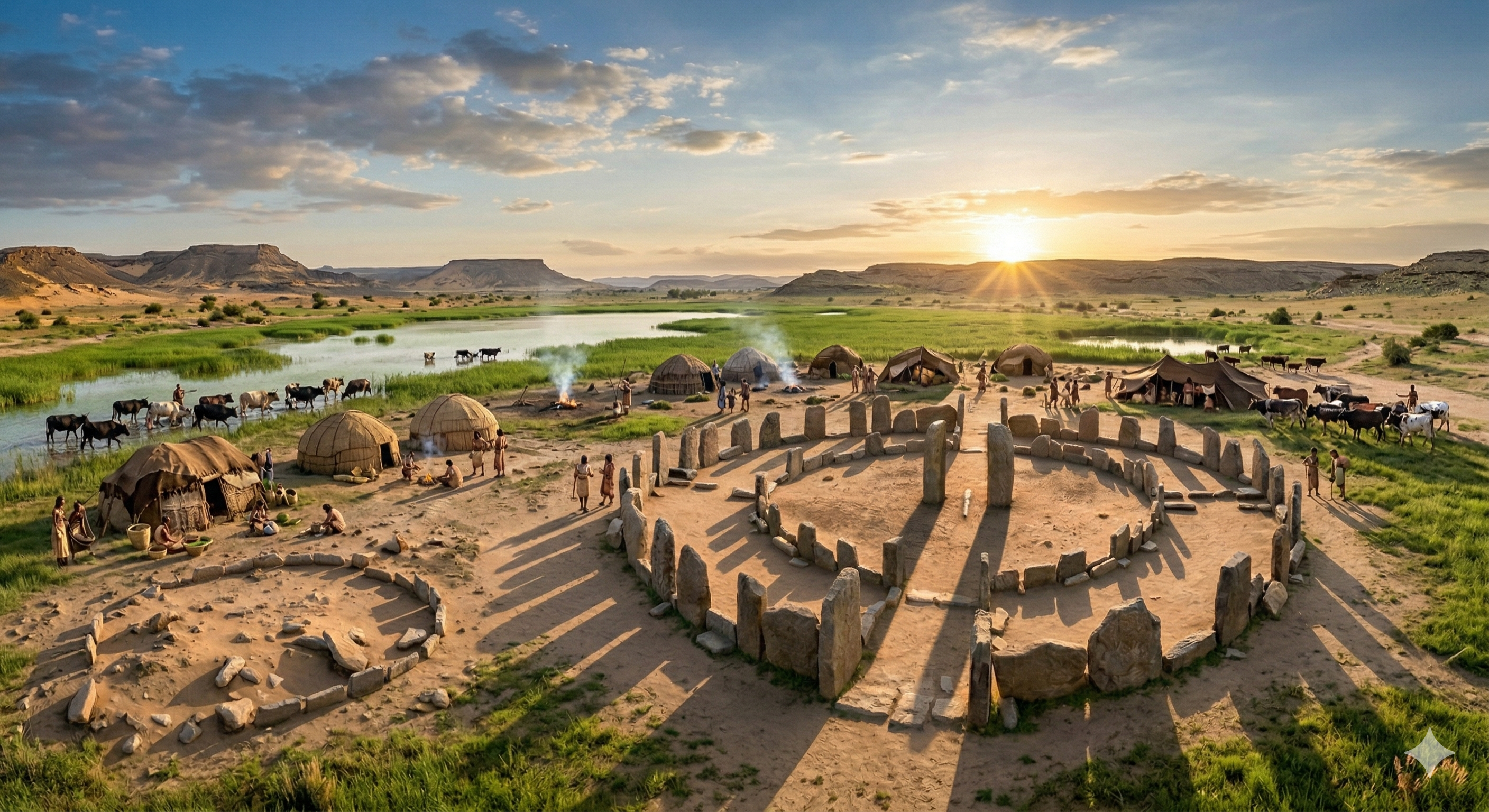
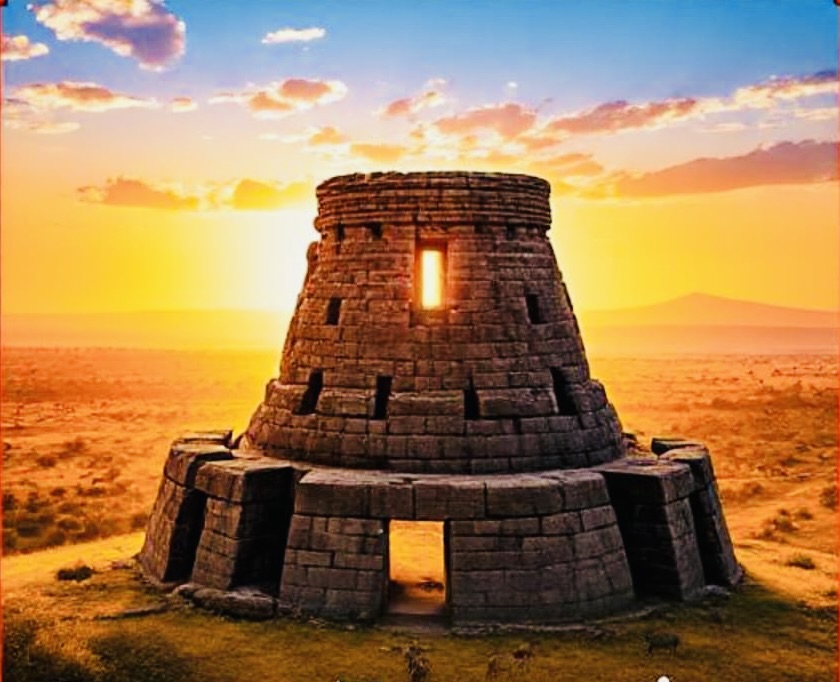
7,000 years ago, people in the Nubian Desert were tracking stars and building stone alignments at Nabta Playa — millennia before Greece or Rome existed. As the Sahara dried, those communities migrated to the Nile and built the first civilizations on Earth.

Here is when the rest followed:

African Middle East Asian European
Nubia/Kush (5000 BC – 370 AD)
Kemet/Egypt (3100 BC – 332 BC)
Mali (1235–1670)
Mesopotamia (3500 BC – 500 BC)
Assyria (2400 BC – 609 BC)
Indus Valley (3300 BC – 1300 BC)
China (2100 BC – Present)
Greece (800–146 BC)
Rome (27–476 AD)
Euro Emp. (1400–1900)
5000 BC 3000 BC 1000 BC 1 AD 1000 AD 2000 AD

African civilization preceded Greece by 4,200 years · preceded Rome by 5,027 years · preceded European empires by 6,400 years

Every human alive today — regardless of where they live — descends from African ancestors. The origin is not metaphor. It is biology.
Sources
Earth's Age — NASA First Life (3.8B years) — NASA Jet Propulsion Laboratory Homo Sapiens Origin (300,000 years) — Smithsonian Nabta Playa — World's Oldest Astronomical Site — Astronomy Magazine Nubian Settlements (5000 BC) — University of Chicago, Institute for the Study of Ancient Cultures Kemet Chronology (3150–332 BC) — University of Chicago ISAC Egypt's African Origins — Cambridge University Press, Antiquity Journal Civilization Flow South→North — Cheikh Anta Diop, The African Origin of Civilization (1974); UNESCO General History of Africa Committee (2025)

The Civilizations

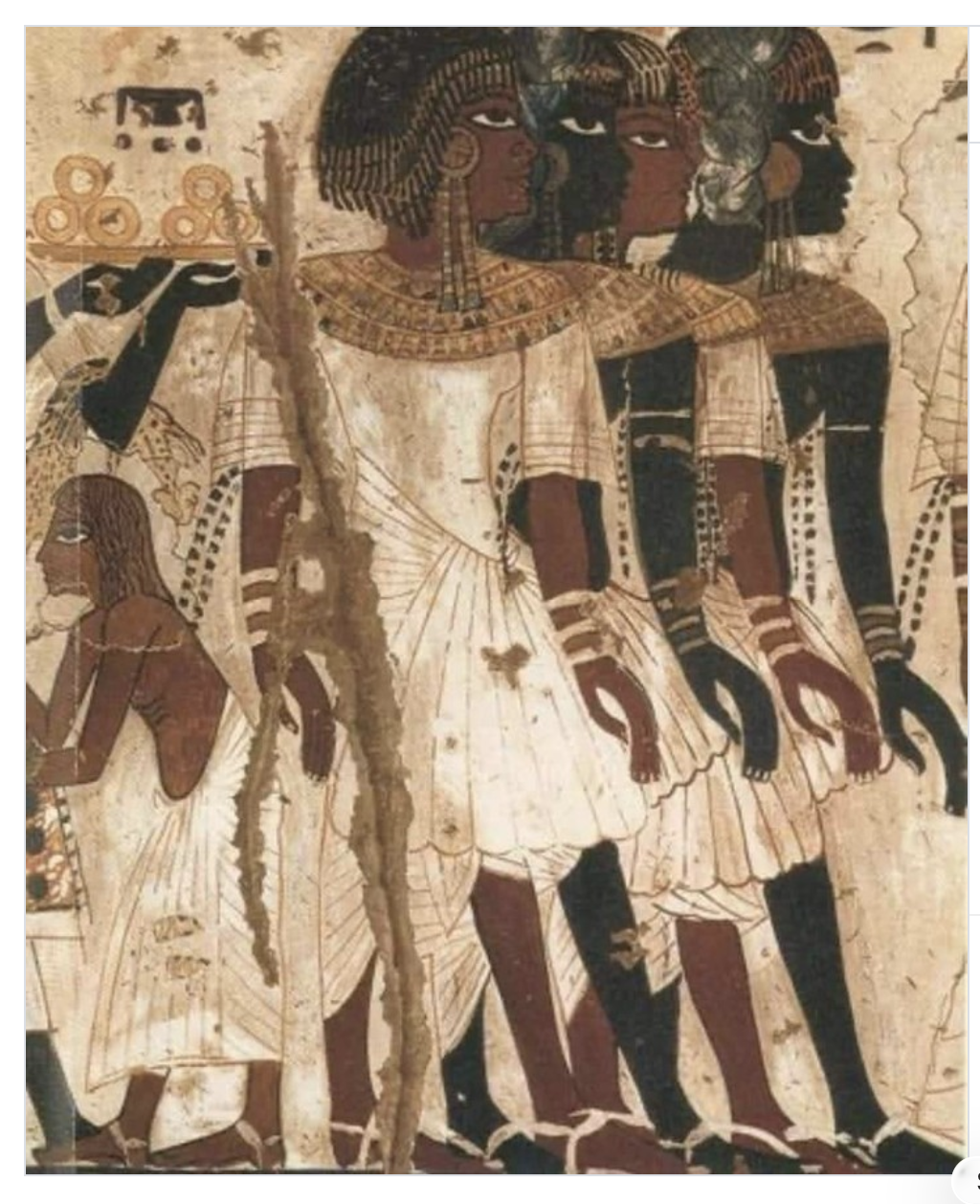
Nubian Pharaohs

Nubia & Kush

5000 BC – 370 AD

At its height, Kush spanned more than a thousand kilometers from northern Sudan to the Blue Nile Region, and lasted for more than a thousand years.

JSTOR Daily
Kemet — Ancient Egypt

Kemet (Ancient Egypt)

3100 BC – 30 BC

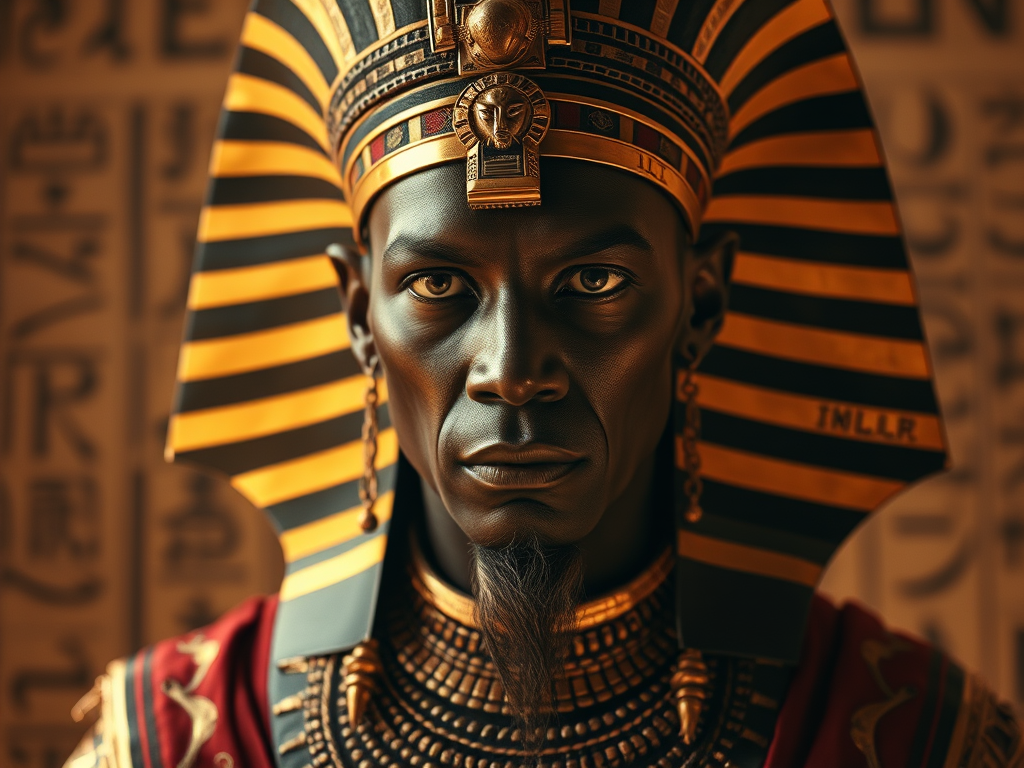
The Kushite rulers positioned themselves as pharaohs capable of restoring Egypt's former splendor.

University of Chicago, ISAC
Mali Empire — Mansa Musa

Mali Empire

1235 – 1670 AD

From reluctant heir to the most powerful ruler on Earth. Mansa Musa's Mali Empire controlled more than half the world's gold. He transformed Timbuktu into a global center of learning. His 1324 pilgrimage to Mecca crashed the Mediterranean economy. Their sixth collaboration — Ryan Coogler directs, Michael B. Jordan stars.

Nollywood Reporter
Great Zimbabwe

Great Zimbabwe

1100 – 1450 AD

Stone architecture in sub-Saharan Africa. Trade with China. A thriving metropolis long before European colonization.

Scientific American
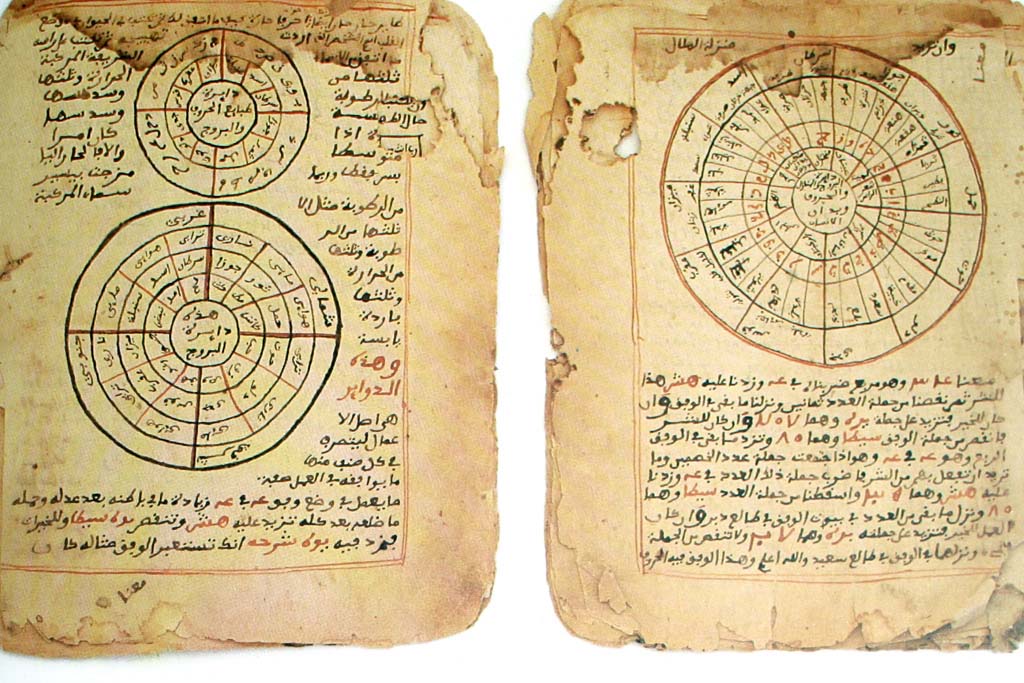
Timbuktu Manuscripts

Timbuktu

1300 – 1600 AD

City of 333 saints. Home to the University of Sankore and manuscripts of incalculable value. Africa's intellectual center.

Harvard University
Rock-Hewn Church of Saint George, Lalibela

Ethiopia & Aksum

100 – 940 AD

One of the only African nations to resist colonization. Aksumite civilization rivaled Rome, Persia, and China in power.

PBS · Africa's Great Civilizations

Resources

Click an icon to explore

AAARIA Free eBook W.E.B. Du Bois Dr. Ashby · Podcast Djehuti · Kemet University The Met · African Art Stolen Legacy Meroe Pyramids 3D Cornell Ancient Africa The Met · Great Zimbabwe UNESCO · Lalibela Churches UNESCO · Island of Meroe

Essential Scholars & Historians of the African World

The scholars who documented, preserved, and reclaimed African history against odds designed to erase it.

Cheikh Anta Diop
Senegal, 1923–1986
Notable Works
Nations Nègres et Culture (1954)
The African Origin of Civilization: Myth or Reality (1974)
Precolonial Black Africa (1987)
Civilization or Barbarism (1991)
The Cultural Unity of Black Africa (1959)
Chancellor Williams
USA, 1905–1992
Notable Works
The Destruction of Black Civilization (1971)
The Rebirth of African Civilization (1961)
The Second Agreement with Hell (1950)
Have You Been to the River? (1952)
George G.M. James
Guyana, 1893–1956
Notable Works
Stolen Legacy: Greek Philosophy is Stolen Egyptian Philosophy (1954)
Ivan Van Sertima
Guyana, 1935–2009
Notable Works
They Came Before Columbus (1976)
Blacks in Science: Ancient and Modern (1983)
African Presence in Early Europe (1985)
African Presence in Early America (1987)
Egypt Revisited (1989)
Golden Age of the Moor (1992)
John Henrik Clarke
USA, 1915–1998
Notable Works
Christopher Columbus and the Afrikan Holocaust (1992)
Africans at the Crossroads (1991)
My Life in Search of Africa (1999)
Who Betrayed the African World Revolution? (1994)
Notes for an African World Revolution (1991)
Yosef Ben-Jochannan
Ethiopia/Puerto Rico, 1918–2015
Notable Works
Africa: Mother of Western Civilization (1971)
Black Man of the Nile and His Family (1972)
We the Black Jews (1938)
African Origins of the Major Western Religions (1970)
The Myth of Exodus and Genesis (1974)
Abu Simbel to Ghizeh (1989)
Ancient Nubia

Ancient Nubia: A Deeper Dive

Nabta Playa — Before Pyramids, Before Pharaohs

Around 7,000 years ago in the Nubian Desert — 100 km west of Abu Simbel — a pastoral community built one of the earliest known astronomical sites on Earth. The stone circle at Nabta Playa aligned with the summer solstice and tracked stellar positions. These were not wandering nomads. They herded cattle, performed ritual burials, and built megalithic structures requiring organized communal labor. When the Sahara began to dry around 5,000 BC, these communities migrated east toward the Nile — carrying with them the cultural and intellectual foundations from which the first Nile Valley civilizations would emerge.

Nubians in the Central Nile Valley

By 5000 BCE, settled communities along the Nile in what is now Sudan had developed into a distinct civilization — with their own written language (Meroitic script), independent religious traditions, and political systems that owed nothing to outside influence. This was not a peripheral culture. It was a primary one.

The Nile as Lifeline

The Nile was an economic, cultural, and spiritual axis. Nubian control of the river meant control of gold mines, trade routes, and the wealth flowing from Central Africa — ivory, incense, ebony, and gold. That wealth financed monumental architecture, a sophisticated military, and rulers who rivaled Egypt. The civilization lasted over 5,000 years.

Nubia Known as Kush

The Nubian empire became known to the ancient world as Kush. At its peak, Kush controlled territory stretching from Egypt to deep Central Africa — with its own pharaohs, its own pyramids, and its own empire. When Egypt weakened during the Third Intermediate Period, the Kushites didn't just trade with Egypt. They conquered it. The entire 25th Dynasty of Egypt (c. 747–656 BCE) was Kushite.

Archers, Kings, and Pyramids

The Great Pyramid of Giza

The Great Pyramid — Nubian and Egyptian civilizations built monumental pyramids

Nubian archers were so feared that Egypt named the region "Ta-Seti" — Land of the Bow. Empires across the ancient world hired them as elite mercenaries. Kushite kings built pyramids in their own style — steeper, more pointed than Egypt's — and over 200 still stand in Sudan today. More pyramids than Egypt ever built, largely unknown to the Western world.

Source: Institute for the Study of Ancient Cultures, University of Chicago

W.E.B. Du Bois — "The Negro" (1915)

The Negro people, as a mass, as the vast majority of them are still living in the midst of slavery — not the chattel slavery of a hundred years ago, but a serfdom almost equally effective and far more degrading. And into the very heart of their consciousness has been driven the thought that they are slaves, fit only for slavery.

Du Bois's seminal work "The Negro," published in 1915, traces African history from ancient times through the African diaspora. Below are the ten chapters — each a revelation about African civilizations, contributions, and the systemic erasure of African agency in world history.

Read the Full Text Free
All 10 chapters available on Project Gutenberg
Rock-Hewn Church, Lalibela

Lalibela: Africa's New Jerusalem

The First Christian Nation

There is a debate about which nation first adopted Christianity. The edge goes to Ethiopia. Around 330 CE — while Europe was still negotiating its relationship with the religion — Emperor Ezana of Aksum declared his nation Christian. We know this with precision because Ezana left firsthand accounts. Ethiopia did not inherit Christianity from Rome. It arrived independently, on African terms, and it has never left.

Carved From the Earth

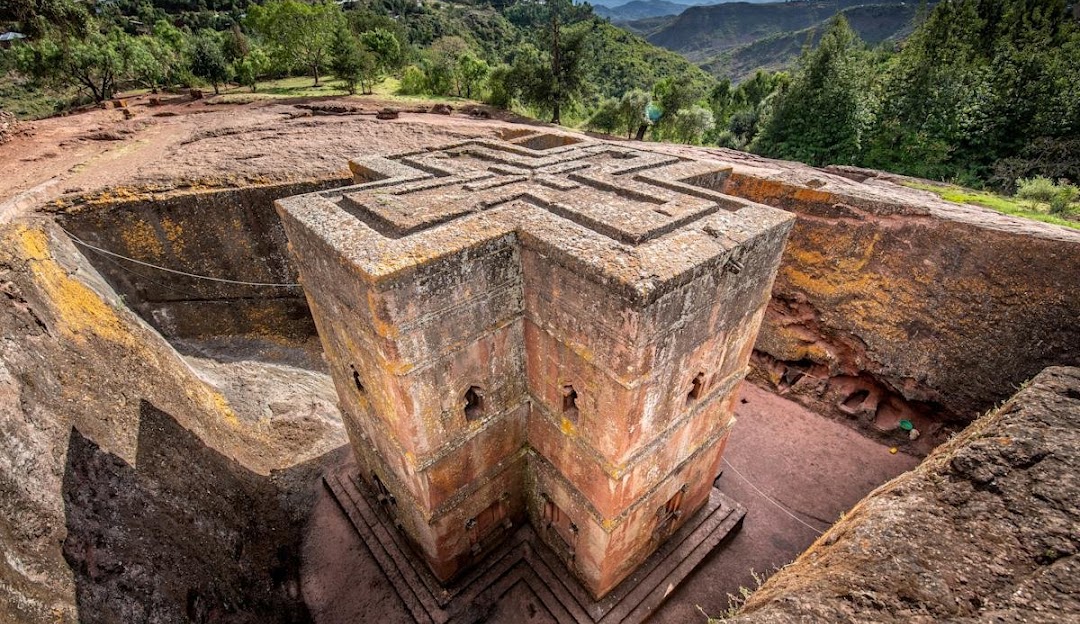
Rock-Hewn Church of Lalibela

Bet Giyorgis — carved from a single monolith, Lalibela, Ethiopia

Emperor Lalibela reigned from 1181 to 1221 with a singular vision: build a New Jerusalem on African soil. His answer was 11 churches carved directly into the mountains — each hewn from a single piece of rock. Workers did not assemble these structures. They removed everything that was not the church. The largest, Bet Medhane Alem, holds the record as the largest church ever carved from a single monolith on Earth. Bet Giyorgis — cross-shaped, descending into the earth — is among the most iconic structures the human hand has ever produced.

Still Standing. Still Sacred.

These churches are not ruins. They are not museums. They have been in continuous religious use for over 800 years. Ethiopian Orthodox Christians still worship inside them today. More than 100,000 people make the journey each year — many on foot, as pilgrimage. Emperor Lalibela's New Jerusalem is not a metaphor. It is a living city of faith, carved into African stone.

The Record Books

When UNESCO launched its World Heritage Site program in 1978, the rock-hewn churches of Lalibela were among the very first 12 sites on Earth deemed worthy of global protection. Ethiopia alone holds nine UNESCO World Heritage Sites — more than most countries in the Western world. In 2015, the European Council on Tourism and Trade named Ethiopia the World's Best Tourism Destination. The oldest rock-hewn churches in the country, in the Tigray region, predate Lalibela by nearly a thousand years — built with 4th-century technology, carved into cliffsides that require scaling a rock face to reach.

Sources: BBC Travel — Ethiopia's Miraculous Underground Churches  ·  PBS · Africa's Great Civilizations

Current Events

Modern Africa. Modern people. Technology, capital, culture, and agency reshaping the continent and its diaspora right now. This is not a story of charity or development — it is the story of African innovation, entrepreneurship, and influence in the 21st century.

Lagos, Nigeria
Lagos, Nigeria
Nairobi, Kenya
Nairobi, Kenya
Giza, Egypt
Giza, Egypt
Cape Town, South Africa

AI & Tech in Africa

Click to explore

BFUTR · Obsidi Black Is Tech 2026 23 African AI Startups Ghana's $1B AI Hub AI $10 Billion Initiative 25 Startups to Watch Safaricom AI & M-Pesa Africa's AI Standards Nairobi AI Forum 2026 $1.5T Green Computing Startups On Our Radar Google AI First · Africa $4.1B Startup Ecosystem Africa Tech Summit 2026 Zerobionic · AI Robots

Latest in African Tech

Click any card to read the full story

TechCabal

23 African AI Startups

From fintech to healthtech, 23 African-built AI startups leading the continent's tech revolution.

Read →
African Business

Ghana's $1B AI Hub

Ghana and the UAE sign a landmark deal to build Africa's largest innovation and AI hub.

Read →
African Development Bank

$10 Billion AI Initiative

AfDB and UNDP launch a $10B AI initiative targeting 40M jobs and $1 trillion in GDP growth by 2035.

Read →
TechCabal

25 Startups to Watch in 2025

TechCabal's annual list of 25 African startups poised to define the decade.

Read →
TechInAfrica

Safaricom AI & M-Pesa 2026

Safaricom integrates AI into M-Pesa — Africa's dominant mobile money platform serving 50M+ users.

Read →
World Economic Forum

Africa's AI Standards

Young African technologists are leading global efforts to shape AI governance centered on African values.

Read →
UNDP

Nairobi AI Forum 2026

The 2026 Nairobi AI Forum sets a global agenda for AI adoption centered on African perspectives and solutions.

Read →
World Economic Forum

$1.5T Green Computing

Africa's solar and geothermal advantage positions it as the next global hub for sustainable AI data centers.

Read →
Disrupt Africa

$4.1B Startup Ecosystem

African tech startups raised over $4.1B in 2024, cementing the continent's position as an emerging global tech force.

Read →
Obsidi · Diaspora Event

BFUTR Conference

The largest gathering of Black tech professionals globally — bridging Africa and its diaspora in engineering, product, and design.

Read →
Houston · April 2026

Black Is Tech Conference

Returns to Houston with 5,000+ attendees — workshops, panels on AI, venture capital, and tech entrepreneurship.

Read →
AfroTech

AfroTech Conference

The premier conference for Black innovators in tech — connecting founders, engineers, and investors building the future.

Read →
NVIDIA Blackwell
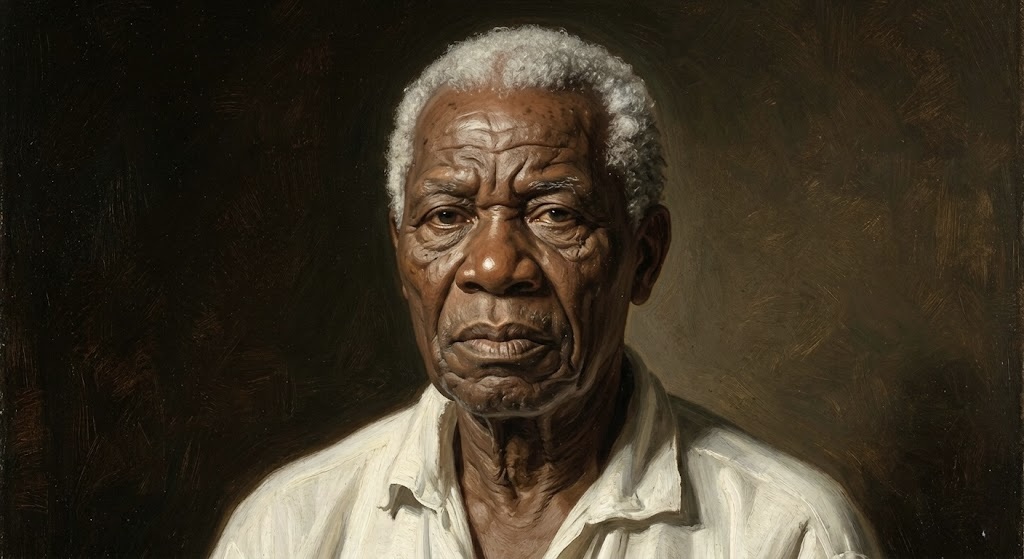
David Blackwell

David Harold Blackwell

1919 – 2010 · Mathematician · Statistician · Pioneer

In March 2024, NVIDIA CEO Jensen Huang unveiled the most powerful AI chip architecture ever built — and named it Blackwell. 208 billion transistors. 30x faster than its predecessor. The engine behind the next era of artificial intelligence. It is named after David Blackwell, a Black man from Centralia, Illinois, whose mathematics made it all possible.

Blackwell earned his Ph.D. at 22 — only the seventh African American to hold a doctorate in mathematics at that time. Princeton refused him entry because of his race. He went on to become the first Black tenured professor at UC Berkeley, the first Black scholar elected to the National Academy of Sciences, and was posthumously awarded the National Medal of Science by President Obama in 2014.

His work built the mathematical foundations that modern AI runs on: the Rao-Blackwell theorem (used in machine learning optimization), Blackwell's approachability theorem (the basis of online learning algorithms), his formalization of Markov decision processes (the backbone of reinforcement learning — the technology behind systems like AlphaGo and ChatGPT), and foundational contributions to Bayesian statistics, game theory, and information theory.

Every AI model trained today, every GPU crunching data in a data center, every self-driving car learning from its environment — they are running on mathematics that David Blackwell pioneered. NVIDIA didn't just name a chip after him. They acknowledged what was always true: a Black man's mind is at the foundation of the AI revolution.

Biography NVIDIA Blackwell Platform UC Berkeley Tribute Howard University Legacy

Recent Milestones

Flutterwave Reaches $26 Billion Valuation

African fintech unicorn Flutterwave becomes the continent's most valuable startup, handling payments across Africa, Europe, and the diaspora.

Black American VC Funding

Record venture capital flows to Black entrepreneurs in the US, with many redirecting capital toward African startups and diaspora-led innovations.

Kigali Drone Delivery

Rwanda's ambitious drone program delivers medical supplies and goods across rural areas, positioning the nation as Africa's tech hub.

Caribbean Digital Currency

Caribbean nations launch DCASH, a regional digital currency backed by African fintech and cryptocurrency expertise, reducing dependence on US dollar hegemony.

Afrobeats Streaming Record

Afrobeats surpasses Latin music as the fastest-growing genre globally. Artists like Wizkid, Burna Boy, and Rihanna define global pop culture.

Ethiopia's Modern Railway

The Addis Ababa-Djibouti Railway, built with Chinese investment but staffed and managed by Ethiopians, transforms logistics across East Africa.

Brazil Advances Reparations

Brazil's Senate moves toward reparations for descendants of enslaved Africans, acknowledging the economic debt owed to Black Brazilians.

Pan-African Space Program

Multiple African nations collaborate on satellite technology and space exploration, signaling continental ambitions beyond Earth.

$4.1 Billion Raised by African Startups

African tech startups raised over $4.1 billion in funding, with Nigeria, Kenya, Egypt, and South Africa leading the charge. Fintech, healthtech, and agritech dominate the ecosystem.

Benin Bronzes Return Home

Germany returned over 1,100 looted Benin Bronzes to Nigeria. The Netherlands followed with 119 artifacts. Ghana received 130 gold artifacts from the UK. The global movement to repatriate African art is accelerating.

Edo Museum of West African Art

Designed by Ghanaian-British architect David Adjaye, the Edo Museum of West African Art in Benin City, Nigeria will house returned Benin Bronzes — Africa's first world-class repatriation museum, set to open in 2026.

Zerobionic: African AI Robotics

South African startup Zerobionic is building humanoid AI robots for African industries — from mining to agriculture — positioning the continent as a player in the global robotics revolution.

Africa's $10B AI Initiative

The African Development Bank and UNDP launched a $10 billion initiative at the 2026 Nairobi AI Forum to accelerate AI adoption across the continent, funding research, infrastructure, and homegrown AI startups.

BFUTR Conference by Obsidi

The BFUTR Conference (by Obsidi) is the largest gathering of Black tech professionals globally — bridging the African diaspora's brightest minds in engineering, product, and design.

Black Is Tech Conference — Houston 2026

The Black Is Tech Conference returns to Houston in April 2026 with 5,000+ expected attendees, featuring workshops, networking, and panels on AI, venture capital, and tech entrepreneurship.

AfCFTA: Africa's $3.4T Free Trade Zone

The African Continental Free Trade Area connects 1.3 billion people across 54 nations — creating the world's largest free trade zone by number of participating countries and accelerating intra-African commerce.

Nollywood Goes Global

Nigeria's film industry — the world's second-largest by volume — secures global distribution deals with Netflix, Amazon, and Disney+, bringing African storytelling to billions worldwide.

Kenya's M-Pesa Reaches 50M Users

Africa's pioneering mobile money platform M-Pesa now serves over 50 million active users, processing billions in transactions and proving that Africa leads the world in financial innovation.

The Diaspora

From Argentina to Angola, from Zaire to Zimbabwe, from London to Lagos — the African diaspora is humanity's greatest forced migration and humanity's greatest story of survival.
Africans traded, migrated, and built civilizations across the Mediterranean, the Indian Ocean, and through the Sahara for millennia. Today, over 300 million people of African descent live outside the African continent. Their contributions to music, art, cuisine, science, and every domain of human achievement are the heartbeat of the modern world.
African Diaspora Population by Country
Country/Region
Percentage
Diaspora Population
Brazil
108.2M
United States
46.4M
Haiti
11M
Colombia
9.8M
Dominican Republic
8.2M
Jamaica
2.9M
United Kingdom
2.4M
France
2.1M
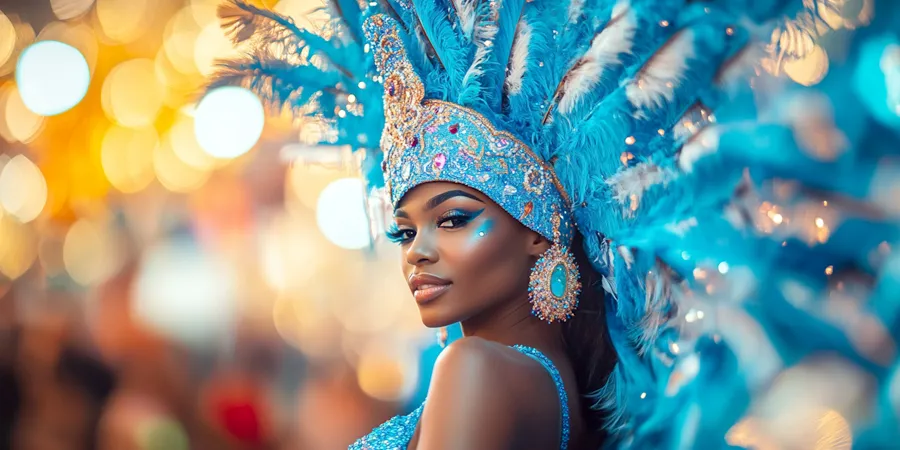
Carnival dancer celebrating the African Diaspora

Explore the Diaspora

Click a shield to explore

Where Is the Diaspora? Digital Schomburg Haitian Revolution Archive Trace Your Roots Music of the Black Atlantic Garifuna Heritage (UNESCO) Belizean Studies MoAD San Francisco Int'l African American Museum Benin Bronzes Repatriation

The Haitian Revolution

Only successful slave rebellion resulting in the founding of a nation. Haiti's revolution sent shockwaves through the Caribbean and the world, proving that African people would not submit to enslavement.

Afro-Brazilians

Over 100 million Brazilians claim African heritage. Brazil's samba, capoeira, and Carnival culture are African creations that define the nation's identity and influence global culture.

The Siddi

African diaspora in India and the Indian Ocean. Siddis are descendants of African sailors, merchants, and soldiers who integrated into South Asian societies centuries before the modern era.

The Black Jacobins

C.L.R. James' masterwork on the Haitian Revolution — a political and intellectual thriller revealing how enslaved Africans became the architects of freedom in the Caribbean.

The Windrush Generation

Post-WWII Caribbean migration to Britain. The Windrush challenged British identity, culture, and exposed the racist foundations of the "mother country" that ruled their islands.

The Maroons

Enslaved Africans who escaped plantations and built independent societies in the mountains and forests of the Caribbean and Americas. They resisted colonialism for centuries.

Afro-Latin America

The African diaspora in Latin America spans Mexico, Peru, Colombia, and beyond. African cultural, musical, and spiritual traditions shape Latin American identity.

The Garifuna of Belize

The Garifuna — descendants of West African, Carib, and Arawak peoples — settled along the coast of Belize, Honduras, and Guatemala after resisting British colonialism on St. Vincent. Their language, punta music, and dugu spiritual traditions were proclaimed a UNESCO Masterpiece of Oral and Intangible Heritage in 2001. In Belize, Garifuna Settlement Day (November 19) is a national holiday honoring their 1832 arrival in Dangriga.

Afro-Belizeans & Creole Culture

Creole Belizeans — descendants of enslaved West Africans and European settlers — form the cultural backbone of Belize. Kriol, a Creole language rooted in English and West African languages, is the most widely spoken language in Belize. From Brukdown music to rice and beans, from Belize City to the cayes, Afro-Belizean culture defines the nation's identity, its resistance, and its joy.

The Benin Bronzes: African Art Coming Home

In 1897, British soldiers looted thousands of bronze sculptures from the Kingdom of Benin (modern-day Nigeria) — among the most sophisticated metalwork in human history. For over a century, these masterpieces sat in Western museums. Now, the tide is turning. Germany returned over 1,100 pieces. The Netherlands returned 119 artifacts. The Smithsonian, the Met, and universities worldwide are following suit. The Edo Museum of West African Art, designed by David Adjaye, is set to open in Benin City as a permanent home for the returned treasures — a symbol of African art reclaimed.

Afro-Europeans

Millions of people of African descent live across Europe — in France, the UK, Germany, the Netherlands, Portugal, and beyond. From the Afro-Portuguese communities shaped by 500 years of colonial history, to the vibrant Afro-German culture emerging in Berlin, to the Caribbean communities in Amsterdam and London — the African diaspora in Europe is reshaping the continent's culture, politics, and identity.

A Repository Built for People Who Are Ready to Know

From the first humans in the Rift Valley to the boardrooms of Lagos, from Timbuktu scholars to Silicon Valley engineers, from Nubian pharaohs to modern revolutionaries — African people have shaped every corner of human civilization. This archive exists because that history was always there. It was always kept. Now, it is reclaimed.

AFRICANA is dedicated to the accurate representation of African history, culture, and people. Disagree with something? Research it. Bring evidence, and we'll address it. This is a space for those who want to know.

Leave Us a Note

Found something we got wrong? Have a source to add? A story worth telling? Leave a note — we read everything.