Africa,
the Origin
of Everything.
The Origin of Everything
Human civilization began in Africa. Every human alive today — regardless of where they live — descends from African ancestors walking the Rift Valley 300,000 years ago. This is not metaphor. This is biology, archaeology, and the unquestionable record of humanity's story. What follows is a chronicle of the kingdoms, innovations, and legacies that the world was built upon.
Civilization Did Not Flow Into Africa.
It Flowed Out of It.
The archaeological record places the birthplace of organized human civilization deep in the African interior — in Nubia, in the Sudanese desert, along the upper Nile. Egypt was not the origin. Egypt was the destination. What we know as Kemet was built by people who carried their knowledge northward from older, deeper civilizations that most of the world has never been taught.
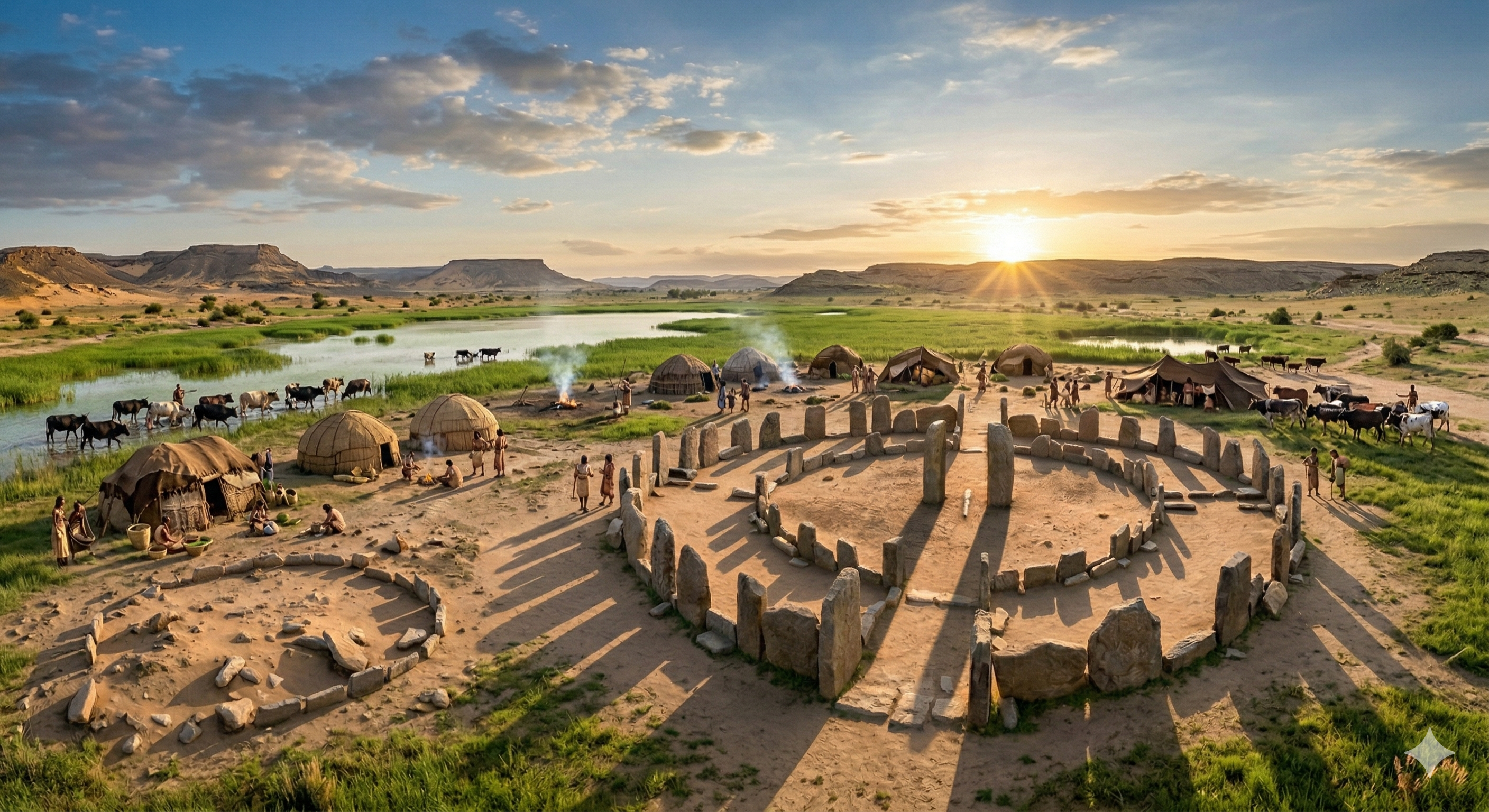
A complex cattle-herding society in the Nubian desert built the world's first known astronomical megalith — predating Stonehenge by 2,000 years. Around 4500 BC, as drought intensified, these people migrated eastward and northward into the Nile Valley. Their cattle symbolism, ritual practices, and cosmological knowledge appear in Egyptian sites like Badari and Naqada by 4000 BC — the very foundations of predynastic Egypt.
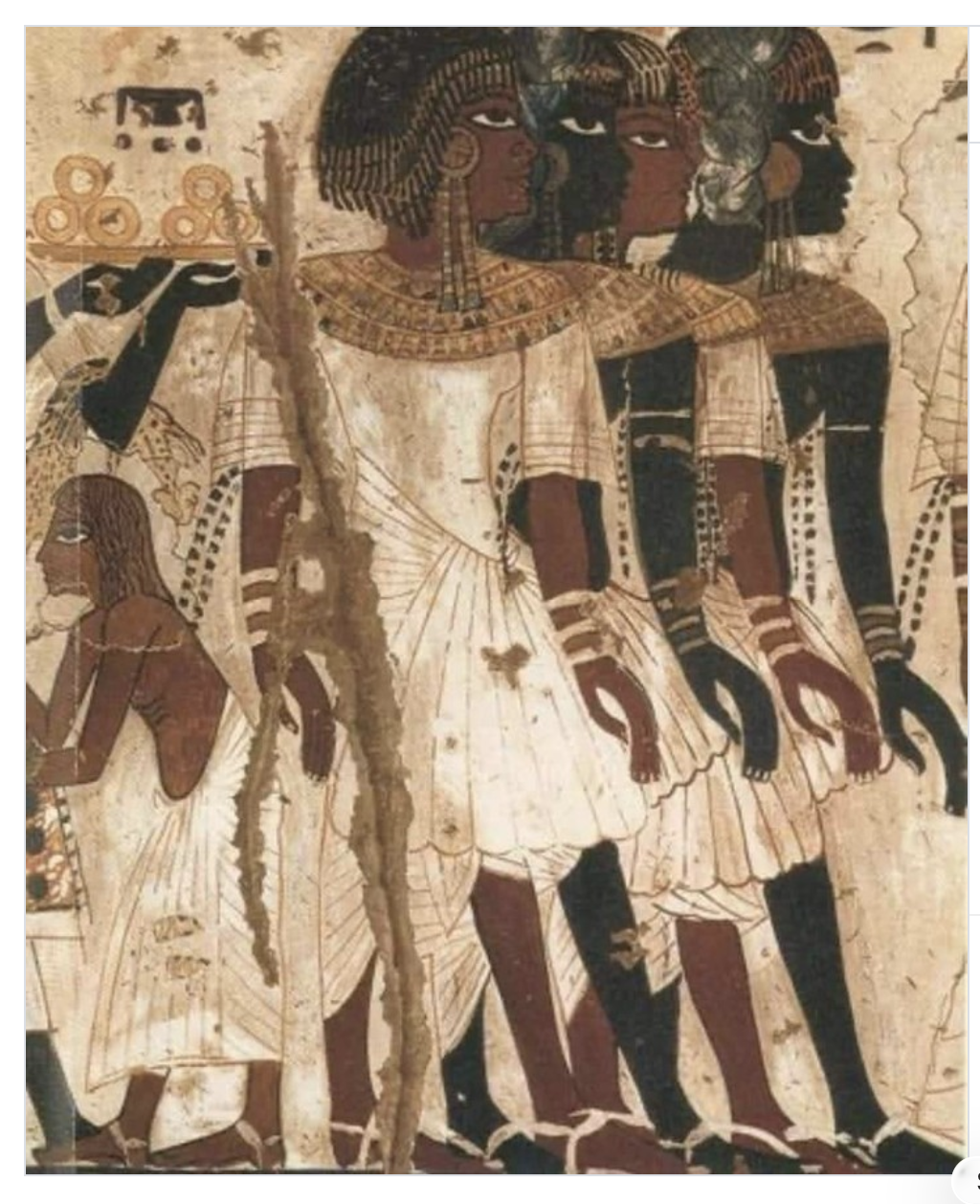
University of Chicago archaeologist Bruce Williams excavated royal tombs at Qustul, Nubia containing pharaonic iconography — crowns, falcons, palace facades — dated to before Egypt's First Dynasty. The elite burial sites at Qustul were larger and wealthier than the earliest Abydos tombs in Egypt. Ta-Seti is recognized as a Nubian kingdom that participated in and helped shape what became pharaonic civilization.
Using archaeology, genetics, linguistics, and biological anthropology, UCLA historian Christopher Ehret confirmed that the founding populations of Egyptian sites like Naqada and El-Badari descended from longtime inhabitants of Northeastern Africa — explicitly including Nubia. Egypt and Nubia did not develop in parallel. They shared one African ancestral civilization, and its center of gravity was south.
"The history of Black Africa will remain suspended in air and cannot be written correctly until African historians dare to connect it with the history of Kemet."
One Continuous Timeline
From the birth of Earth to the rise of civilizations — humanity's story begins in Africa
If Earth's 4.5 billion year history were compressed into a single bar, here is where humanity appears:
The bar compresses 4.5 billion years into one line. That gold Humanity marker at the far right? Just 0.007% of Earth's total age — 300,000 years of human history. Below, the full story unfolds from the very beginning.
7,000 years ago, people in the Nubian Desert were tracking stars and building stone alignments at Nabta Playa — millennia before Greece or Rome existed. As the Sahara dried, those communities migrated to the Nile and built the first civilizations on Earth.
Here is when the rest followed:
African civilization preceded Greece by 4,200 years · preceded Rome by 5,027 years · preceded European empires by 6,400 years
The Civilizations
Nubia & Kush
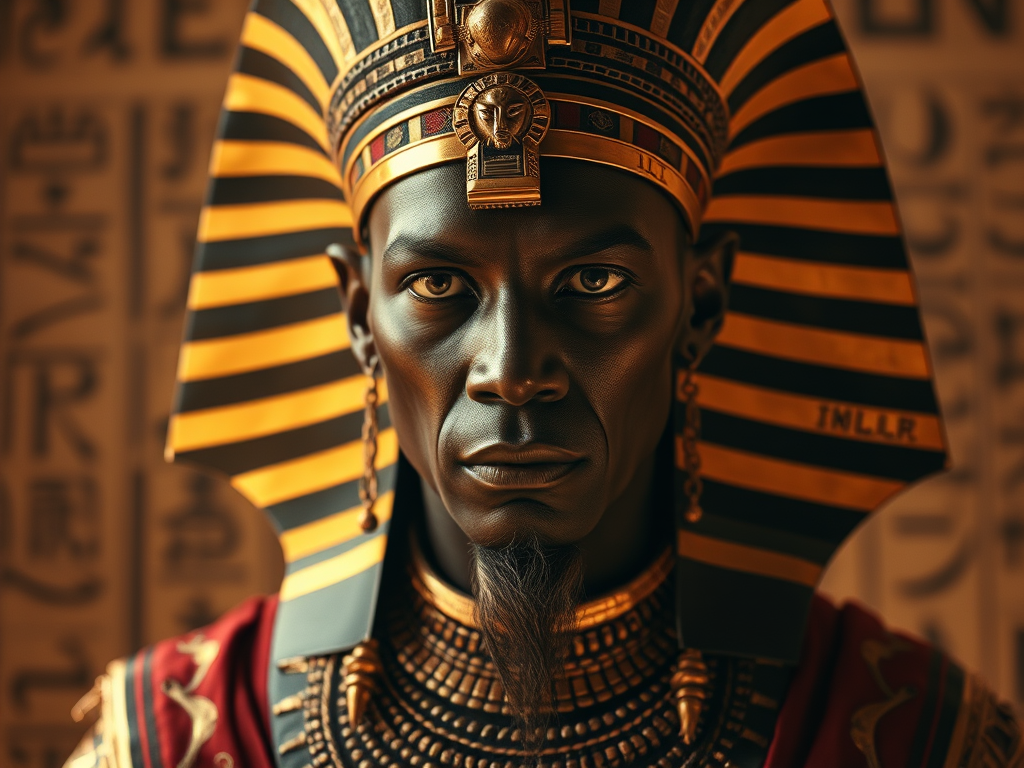
Kush built more than 200 pyramids — more than all of Sudan's neighbors combined. Their capital Meroë was a global center of iron production, trade, and scholarship. The Candace queens ruled independently, negotiated peace treaties with Rome, and commanded armies. Kush developed its own written script, Meroitic, and its own spiritual traditions. This was a civilization entire unto itself.

Kemet
Kemet — the Black Land — was built on Ma'at: truth, justice, and cosmic order as a way of life. Its people developed Medu Neter, medicine, mathematics, and astronomy thousands of years before Greece existed. Greek philosophers traveled to Kemet to study. The knowledge they brought back became the foundation of Western thought. The source was always African.
Mali Empire
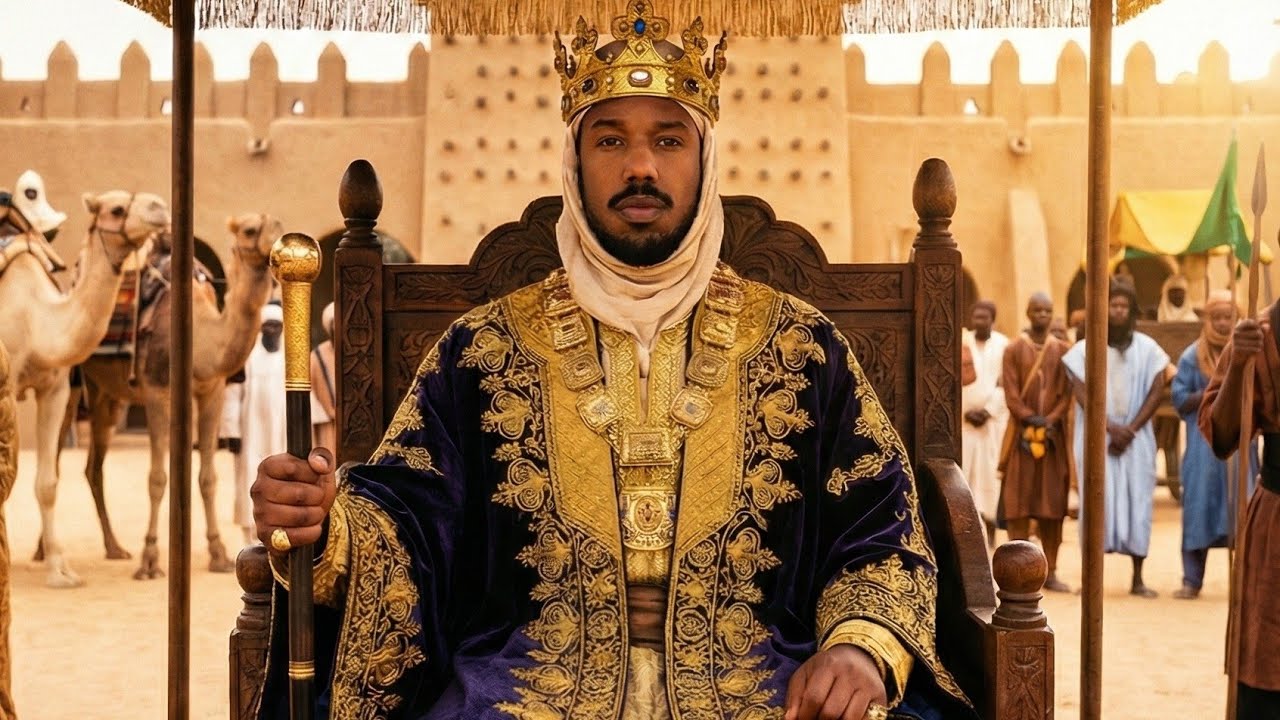
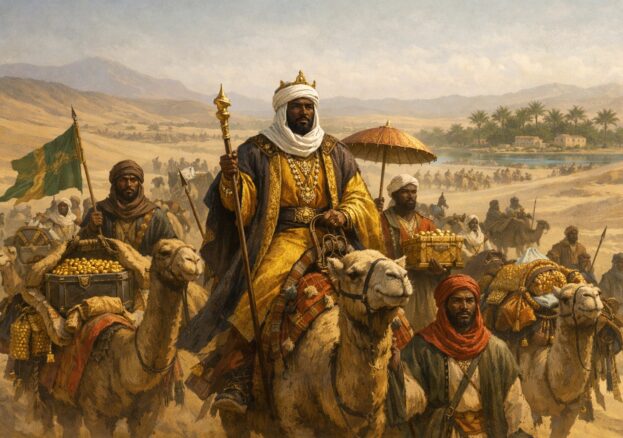
From reluctant heir to the most powerful ruler on Earth. Mansa Musa's Mali Empire controlled more than half the world's gold. He transformed Timbuktu into a global center of learning. His 1324 pilgrimage to Mecca crashed the Mediterranean economy. Their sixth collaboration — Ryan Coogler directs, Michael B. Jordan stars.
Great Zimbabwe
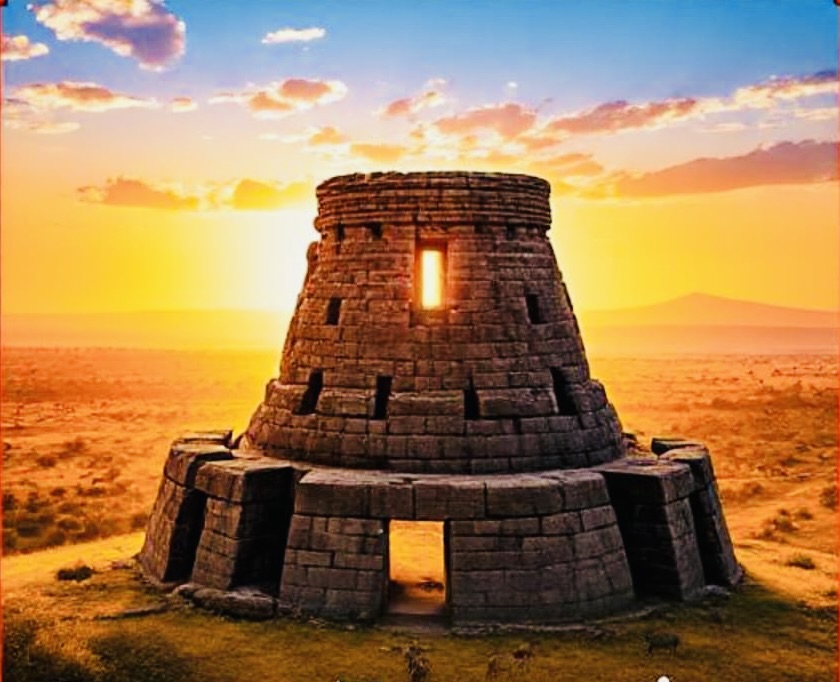
Stone architecture in sub-Saharan Africa. Trade with China. A thriving metropolis long before European colonization.
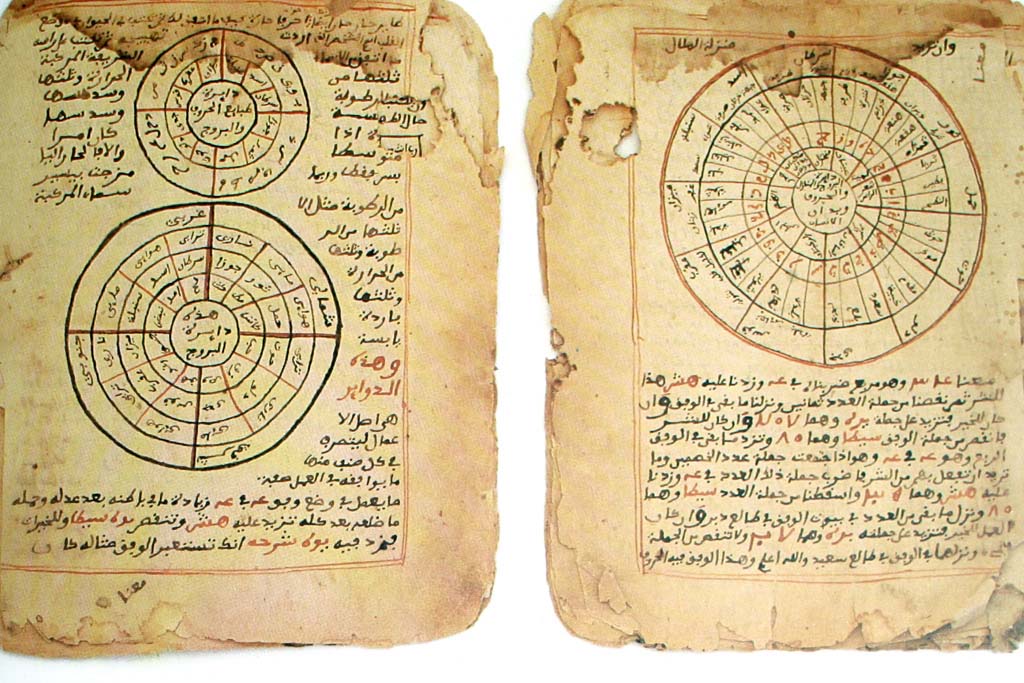
Timbuktu
City of 333 saints. Home to the University of Sankore and manuscripts of incalculable value. Africa's intellectual center.
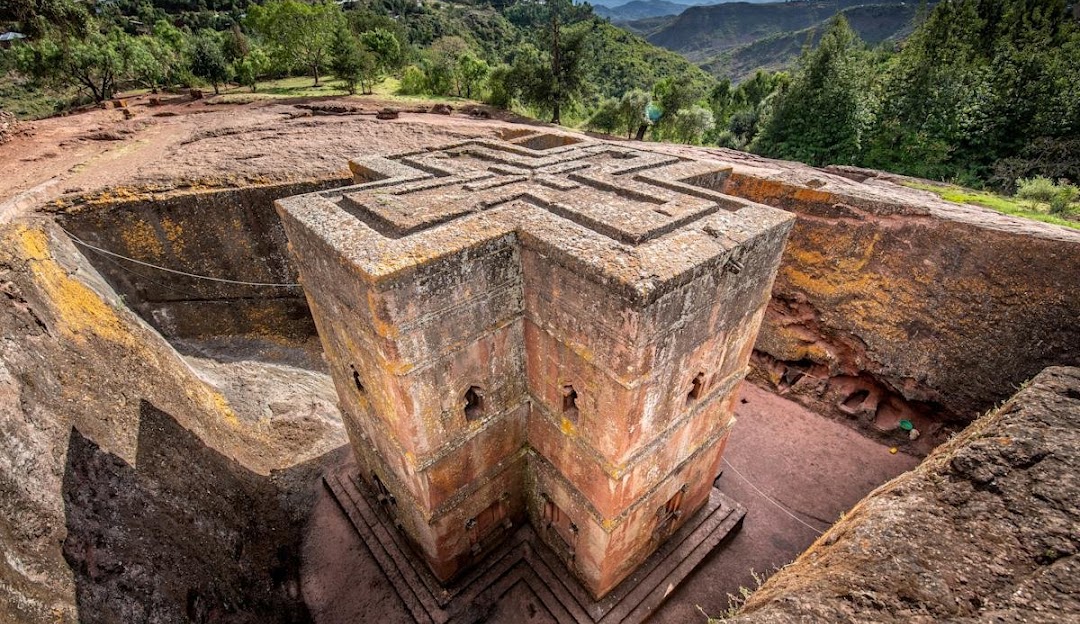
Ethiopia & Aksum
One of the only African nations to resist colonization. Aksumite civilization rivaled Rome, Persia, and China in power.
Essential Scholars & Historians of the African World
Every mainstream source on Kemet, Kush, and Nubia uses Egypt as the reference point. These scholars refused that frame. They told the story of African civilization on its own terms — its philosophy, its science, its spiritual systems, its kingdoms — without needing a European or Egyptian measuring stick. If you want the full picture, start here.
• The African Origin of Civilization: Myth or Reality (1974)
• Precolonial Black Africa (1987)
• Civilization or Barbarism (1991)
• The Cultural Unity of Black Africa (1959)
• The Rebirth of African Civilization (1961)
• The Second Agreement with Hell (1950)
• Have You Been to the River? (1952)
• Blacks in Science: Ancient and Modern (1983)
• African Presence in Early Europe (1985)
• African Presence in Early America (1987)
• Egypt Revisited (1989)
• Golden Age of the Moor (1992)
• Africans at the Crossroads (1991)
• My Life in Search of Africa (1999)
• Who Betrayed the African World Revolution? (1994)
• Notes for an African World Revolution (1991)
• Black Man of the Nile and His Family (1972)
• We the Black Jews (1938)
• African Origins of the Major Western Religions (1970)
• The Myth of Exodus and Genesis (1974)
• Abu Simbel to Ghizeh (1989)
Resources
Essential reading, watching & exploring
African and African American Research Institute in the Arts — advancing scholarship on African and African American creative and intellectual contributions.
The Souls of Black Folk — Du Bois's 1903 landmark on Black identity, double consciousness, and the color line. Free on Project Gutenberg.
Dr. Solange Ashby on the deep history of ancient Egypt and its African roots. Radio broadcast and written overview from Media Sanctuary.
YouTube channel exploring ancient Kemet and African civilizations through deep historical research and an Afrocentric lens.
The Metropolitan Museum's Heilbrunn Timeline of Art History — a free scholarly overview of sub-Saharan African artistic traditions across centuries.
George G.M. James's 1954 foundational text arguing that Greek philosophy originated in ancient Egypt. A cornerstone of Afrocentric scholarship.
Google Arts & Experiments interactive 3D experience of the Meroe pyramid field in Sudan — explore the Kushite royal burial grounds virtually.
Cornell University Library's curated research guide to ancient Africa — academic databases, scholarship, and primary sources for serious study.
Metropolitan Museum essay on Great Zimbabwe — the largest pre-colonial stone structure in sub-Saharan Africa, built without mortar or foreign influence.
World Heritage listing for the rock-hewn churches of Lalibela, Ethiopia — eleven monolithic structures carved directly from solid volcanic rock in the 12th century.
World Heritage listing for the Island of Meroe — capital of the Kushite Kingdom and site of over 200 pyramids along the Nile in present-day Sudan.